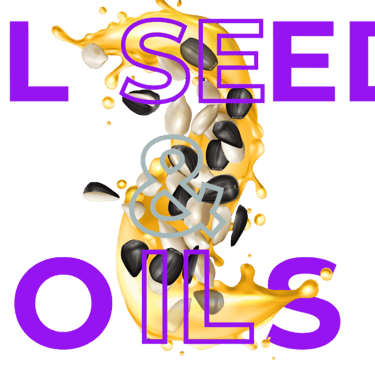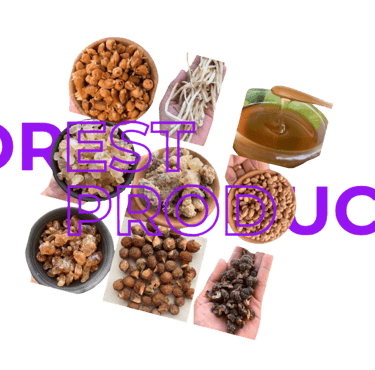

OIL SEEDS & OILS
SEEDS & SEEDS OILS
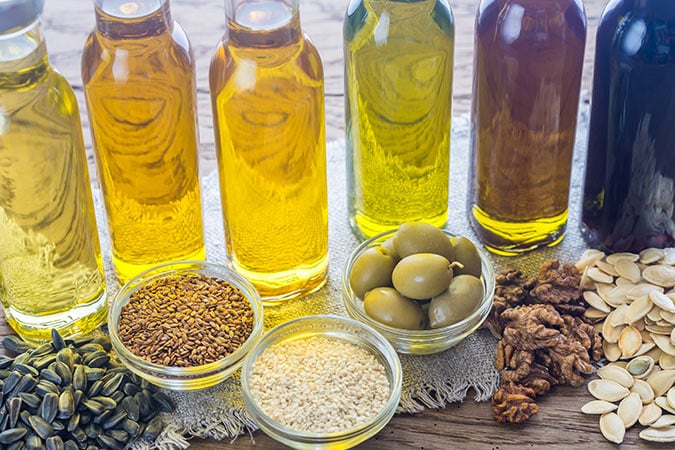
Oilseeds are plants grown for their oil-rich seeds, crushed to extract vegetable oil for cooking, biodiesel, and industrial uses, leaving behind protein-packed meal for animal feed; major examples include soybeans, rapeseed, sunflower, groundnut, and sesame, essential crops globally but facing challenges like rain-fed cultivation in India, which is a major producer and importer of oils. They provide fats, proteins, vitamins, and minerals, forming a vital part of agriculture and the economy
WE EXPORT & IMPORT THAT.

Yellow and black mustard seeds are used to create distinct oils: black mustard oil is pungent, spicy, and ideal for Indian cooking and massages, while yellow mustard oil is milder, nutty, and better for lighter dishes and dressings, with both offering unique flavor profiles and health benefits from antioxidants and Omega fatty acids, extracted via oil milling for versatile culinary and wellness uses
Origin : India

Yellow, white, and black sesame seeds are varieties of the same plant, differing mainly in hull color, flavor intensity, and nutrient profile, with white being mild & common in tahini, black being earthy, antioxidant-rich, and popular in Asian cooking, and yellow (or golden) often being roasted white seeds or a natural variant, offering a middle ground in taste, all used for oil, baking, and garnishes
Origin : India

Niger seeds (from Guizotia abyssinica) are tiny, black, nutritious oilseeds, popular as birdseed (especially for finches, often miscalled "thistle seed") but also used in African/Indian cuisine for oil, snacks (roasted), and spice in curries, valued for protein, healthy fats (omega-3s/6s), fiber, and minerals like magnesium, supporting heart, brain, and digestive health, with origins in Ethiopia.

Tukh Malanga (or Tukhmalanga) are tiny, black basil seeds (from Ocimum basilicum), popular in South Asian and Middle Eastern cuisine, known for their cooling properties, high fiber, and nutritional benefits like aiding digestion and boosting energy. When soaked in water, they form a gelatinous coating, making them ideal for drinks (like sharbat) and desserts, and they're used to relieve constipation, reduce inflammation, and promote fullness for weight management.

Castor oil comes from the seeds of the Ricinus communis plant, containing 40-60% oil rich in ricinoleic acid, extracted by pressing or solvent methods after hull removal. The seeds themselves are toxic due to ricin, but the processed oil is used in many products (lubricants, cosmetics, medicines) and even as a laxative, with India being a major global producer.

Nigella seeds (kalonji) yield a potent oil, black seed oil, rich in antioxidants, used for hair, skin, immunity, and digestion, often cold-pressed to retain nutrients; it's applied topically (diluted with carrier oils like coconut) for hair loss, acne, or scalp issues, and taken internally in small amounts for wellness, but always consult a doctor for internal use.

Soybean seeds are rich in oil (around 18-20%) and protein, yielding soybean oil that's a top global cooking oil, known for being heart-healthy (polyunsaturated fats, omega-3s) and versatile for frying, baking, and biodiesel, while the extracted meal feeds livestock. The oil is processed to remove odor/flavor (refined), making it a staple, and the seeds themselves are used as whole foods, flour, or protein alternatives.

Peanut seeds are a major oilseed crop, containing 40-55% oil and protein, used globally for edible oil (peanut/groundnut oil) in cooking, frying, and even skincare, known for its high smoke point and nutty flavor, with oil extraction yielding valuable oil cake for animal feed. The seeds themselves, available in various types (bold, java, red skin), are also consumed directly and valued for health benefits and versatile use, making them a vital cash crop, especially in India where it's called the "king of oilseeds".

Safflower oil, extracted from safflower seeds, is a versatile, light, and non-greasy oil rich in omega-6 fatty acids (linoleic acid) and Vitamin E, offering benefits for skin (moisturizing, anti-inflammatory, non-comedogenic) and heart health (cholesterol balance).

Palm oil comes from the fruit of the Oil Palm (Elaeis guineensis), a highly efficient perennial crop yielding two oils: palm oil from the fleshy fruit (mesocarp) and palm kernel oil from the seed (kernel), both rich in fatty acids, used widely in food, cosmetics, and biofuels.